

A call to action and the critical role of the occupational physician in prevention
The Social and Economic Council (SER) sounded the alarm this spring with its advisory report Healthy and safe work through effective regulations and prevention: Health and Safety Vision 2040. The message is clear: strengthen prevention, modernize health and safety regulations and promote cooperation between all parties involved - with a key role for the company doctor.
Work changes, so do risks
Technological developments, an aging population and the growth of flexible work are changing the world of work at lightning speed. This offers opportunities, but also brings new risks: higher work pressure, mental overload, or physical complaints due to prolonged sitting and unfavorable work postures. According to the SER, these risks must be identified and addressed early on. Prevention should therefore form the foundation of the occupational health and safety policy.
Annet de Lange, senior managing consultant at Berenschot and associate professor at the Open University, sees that organizations are far from always prepared for this.
"The basics are better organized than they were a few years ago, but preparation for new risks - such as psychosocial strain, mental health, hybrid steering and an older and more flexible workforce - is still variable, especially among smaller employers."
Clear rules, shared responsibility
De Lange emphasizes that the rules around healthy and safe working must become simpler and more applicable, especially for SMEs. "The SER wants towards 2040 a stronger prevention framework with clear rules, better quality RI&Es, more responsibility in the chain and better access to health and safety services. The cabinet supports this approach."
According to her, the direction lies with government and social partners, but implementation lies with employers. They must ensure an up-to-date RI&E and actually implement the measures - even in hybrid work. A large group of workers must not be left out of the picture. "The self-employed and flex workers must also have access to preventive care. And with new risks, such as AI and algorithms, a public framework is needed to protect privacy, autonomy and non-discrimination."
The occupational physician: more than absence supervisor
The company physician plays a central role in preventing health problems, but in practice often does not get around to it. Basic contracts rarely include agreements on prevention, and time is scarce. Stijn Croonen, company physician at BakxWagenaar, sees how the attitude of employers is decisive.

"Prevention is one of the three pillars of our services. To really work preventively, you depend on the whole team - and that emphatically includes the employer." According to Croonen, the success of prevention depends heavily on the vision of the organization.
"Those who manage mainly in the short term rarely prioritize prevention. Only when there is a focus on the long term does it create room to really work on sustainable employability."
"More legislation is not going to help."
Stijn Croonen
Because BakxWagenaar works on location with clients, it is more successful in making prevention negotiable. "We are literally over the threshold. That makes it easier to pick up signals and weave prevention into daily work. Time or resources are then less of an obstacle."
The SER advocates a stronger legal position for the company doctor, more cooperation with other health care providers such as general practitioners, and a broader use of experts such as occupational hygienists and safety experts. Still, Croonen does not expect more rules to make the difference.
"Ultimately, the employer is responsible."
Stijn Croonen
"There are already so many obligations, all of which impact the employer. Even more legislation is not going to help with that." On the feasibility of the SER recommendations, he is realistic. "I've been hearing for years that there needs to be more attention and money for prevention. But ultimately we remain dependent on the willingness of the client."
"It is crucial to embed prevention in governance and KPIs."
Annet de Lange
Prevention as an investment
Whereas the SER opinion focuses on the structure of the health and safety system, the key to success seems to lie with employers. "For employers, it is crucial to embed prevention in governance and KPIs so that it becomes a regular part of annual plans and leadership goals," says De Lange.
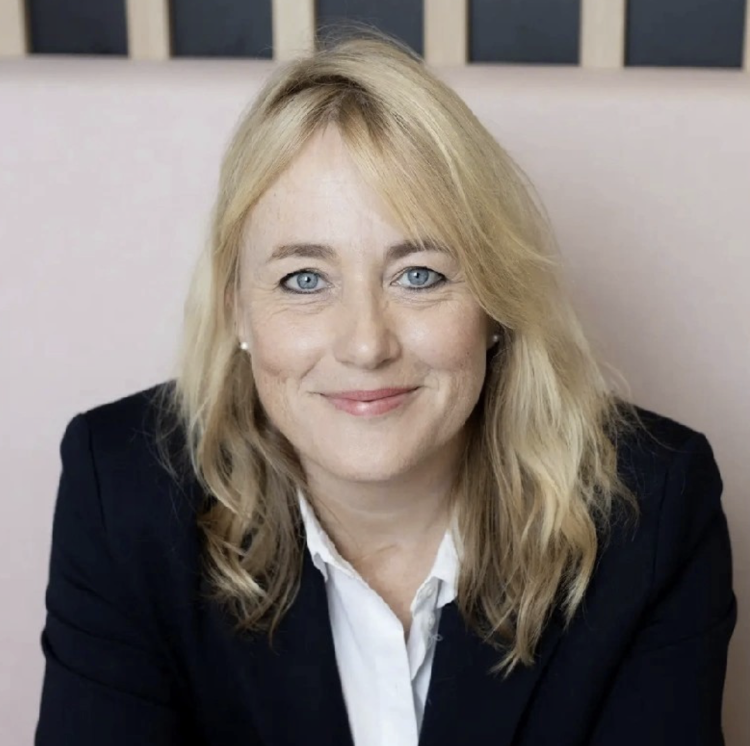
"Every euro you invest in prevention often pays for itself." Annet de Lange
Annet de Lange
Yet many organizations still see prevention as a cost rather than an investment. De Lange lists four obstacles: employers see costs immediately but benefits only later, small companies have limited knowledge and capacity, some risks are difficult to measure, and flexible forms of work make responsibilities diffuse.
"Employers are only going to see prevention as an investment when it becomes clear what it delivers. Show what absenteeism, turnover and lower productivity cost, and make visible that good programs often yield more than they cost. International research shows that investments in prevention, often pay for themselves."
Financial schemes can help companies move toward prevention. The SLIM scheme encourages learning and development, and the MDIEU program also previously offered resources for sustainable employability.
"Schemes like the SLIM grant can help," says De Lange. "Look at how you can work smarter, with technology and attention to ergonomic and healthy home working. That's how you make prevention practical and feasible."
Technology as a mainstay of prevention
Technology offers enormous opportunities to make work healthier and safer - provided it is used intelligently and linked to personal guidance. Dennis Lindeboom, founder of Johan.nl, sees technology as a powerful tool, not a goal in itself.
"Digital screenings, vitality scans or PMOs provide insight into health and employability, both individually and within target groups. In the area of psychosocial workload, we can make a lot of gains." The pitfall, he says, is that technology often gets stuck with measurement. "The real value arises only when insights are converted into action. The conversation - for example, in the form of a coaching session - forms the bridge between analysis and intervention."
"Measurement is not an end point, but a starting point for targeted guidance."
Dennis Lindeboom
The most effective approach combines digital tools with human follow-up. "First signal through a digital screening, then follow up with a personal interview. In this way, screening does not become an end point, but a starting point for targeted counseling or interventions."
An illustrative example shows how this approach can work in practice. In an organization with one hundred employees, a digital screening was conducted, in which eighteen employees showed an increased risk of mental complaints. Of these, ten employees started a counseling program, after which their mental strain decreased significantly.
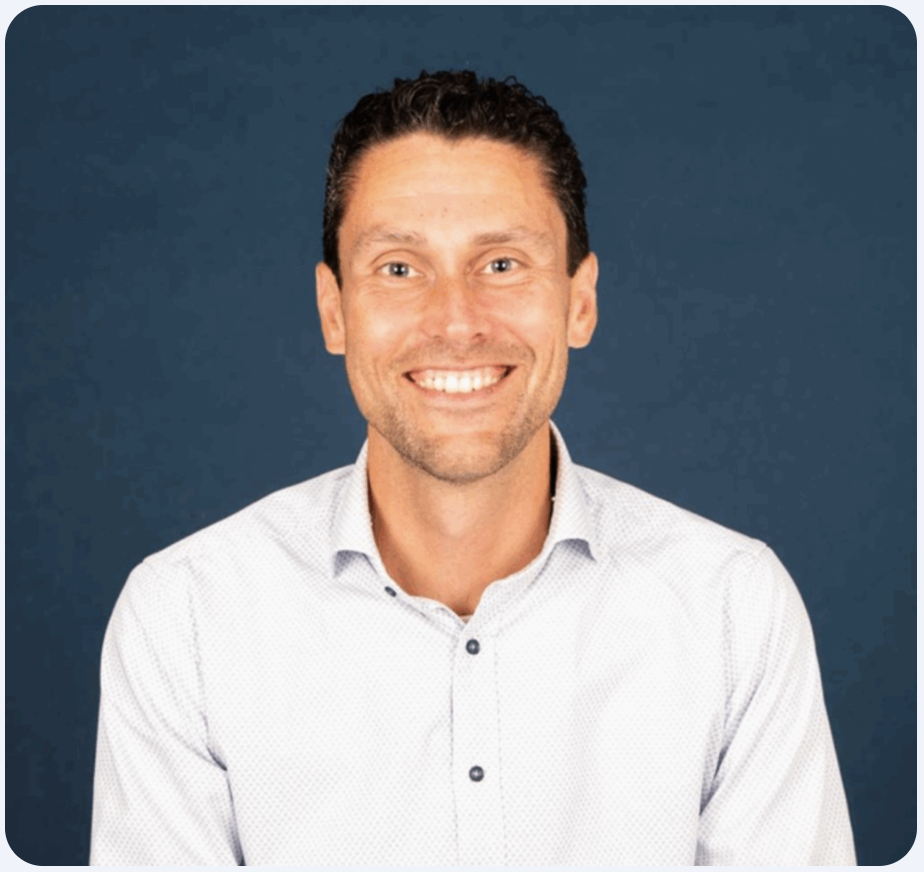
Dennis Lindeboom
According to Lindeboom, this way of working offers opportunities especially for health and safety services. "Data-driven technology enables insight as well as personalized action. The key to success lies not in the technology itself, but in the combination of data and human contact."
"The success lies in the combination of data and human contact."
Dennis Lindeboom
Ultimately, effective occupational health and safety and prevention policies are about more than rules and protocols. It requires cooperation between company doctors, employers and experts, with attention to the person behind the numbers. Prevention pays off - not only in lower absenteeism costs, but especially in healthier, more motivated employees. Technology can be a powerful mainstay in this, provided it is combined with personal contact and customization. In this way, prevention does not become an obligation, but a natural part of being a good employer.
View: Healthy and safe work through effective regulations and prevention: Health and Safety Vision 2040, part 1 and part 2.